Leftover Antibiotics and What They Cost Us: The Environmental and Public Health Price of Antibiotic Waste
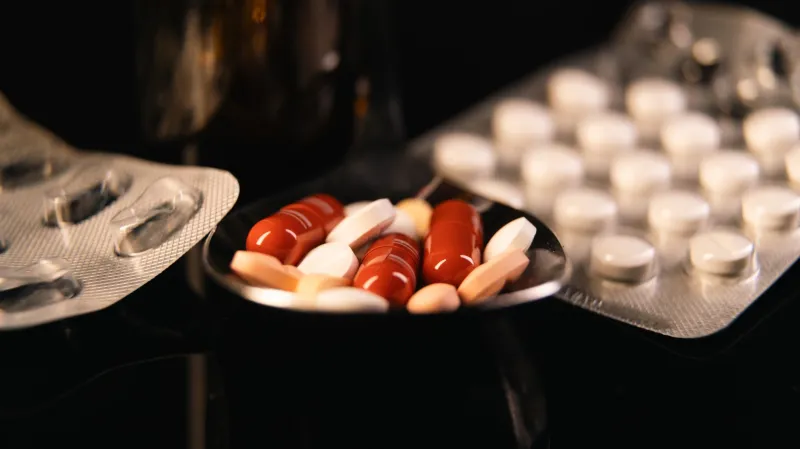
The five-day azithromycin course ends. The symptoms have resolved, or perhaps the prescription was never fully taken. What remains in the orange prescription bottle gets tucked into the medicine cabinet, joining a small accumulation of other partial courses and expired tablets that most American households quietly maintain. It is an unremarkable domestic routine, repeated across tens of millions of homes, and it carries consequences that are neither widely understood nor adequately discussed.
Antibiotic waste—unused medication, expired stock, and improperly discarded remnants—represents a genuine public health and environmental concern. Azithromycin, as one of the most frequently prescribed antibiotics in the United States, contributes meaningfully to this problem. Understanding what happens to these medications after they leave the pharmacy counter is the first step toward addressing it.
How Antibiotics End Up Unused
There are several common pathways to leftover antibiotics. Patients sometimes feel better before completing a prescribed course and stop taking the medication. Prescriptions are occasionally filled but never started when symptoms resolve on their own. Dosing errors or side effects lead patients to discontinue treatment early. And medications that were prescribed for one family member are sometimes retained with the intention—generally inadvisable—of using them for a future illness.
Azithromycin's five-day dosing schedule, while shorter than many antibiotic courses, still generates leftover medication in households where patients self-discontinue. The drug's relatively long shelf life before expiration also means that partial courses may be retained for extended periods.
National surveys on medication storage consistently find that a substantial proportion of American adults keep unused prescription medications at home, and that antibiotics are among the most commonly retained categories. The assumption that leftover medication might be useful later is widespread, even though it is clinically and legally problematic.
The Environmental Pathway
When antibiotics are disposed of improperly—most commonly by flushing them down the toilet or rinsing them down the drain—they enter the wastewater system. Conventional municipal water treatment processes are not designed to fully eliminate pharmaceutical compounds, and antibiotic residues have been detected in treated wastewater effluent, surface water, and even some groundwater sources across the United States.
The presence of subtherapeutic concentrations of antibiotics in aquatic environments creates conditions that can accelerate the development of resistance in environmental bacteria. Bacteria exposed to low, non-lethal concentrations of an antibiotic face selective pressure that favors the survival of resistant strains—a process that can ultimately contribute to the broader resistance problem affecting human medicine.
Azithromycin specifically has been identified in environmental monitoring studies as one of the antibiotics detectable in surface water near populated areas. Its chemical stability, which is part of what makes it pharmacologically effective with a short dosing course, also means it persists in the environment longer than some other antibiotic classes.
Landfill disposal of solid medications presents a related but distinct pathway. Tablets and capsules that are thrown in household trash can leach into soil and groundwater as they degrade in landfill conditions, though the magnitude of this pathway varies considerably based on local landfill infrastructure.
The Medicine Cabinet as an Unofficial Pharmacy
Beyond environmental concerns, retained antibiotics create a secondary problem: the household medicine cabinet functioning as an informal dispensary. When patients self-prescribe retained azithromycin for a new illness—or share it with a family member—several risks converge simultaneously.
The illness may be viral, rendering the antibiotic ineffective while contributing to resistance. The dosing may be incorrect or incomplete. The medication may be expired, raising questions about potency. And the decision is made without the diagnostic assessment that distinguishes bacterial from viral infections and identifies contraindications.
Public health messaging has historically emphasized that patients should complete their prescribed antibiotic courses, partly to reduce the volume of leftover medication available for informal reuse. But the message has not fully penetrated household practice, and the retention of unused antibiotics remains common.
Responsible Disposal: What the Options Are
The most effective and environmentally sound method for disposing of unused or expired antibiotics in the United States is through a DEA-authorized drug take-back program. These programs, which operate through participating pharmacies, hospitals, and periodic community collection events, accept unused medications and ensure they are disposed of through incineration or other methods that prevent environmental contamination.
The DEA's National Prescription Drug Take Back Day, held twice annually, provides a widely accessible opportunity for households to surrender accumulated medications. Many retail pharmacy chains, including national chains with locations in most American communities, operate year-round take-back kiosks that accept controlled and non-controlled medications.
For households without convenient access to a take-back program, the FDA offers guidance on acceptable at-home disposal methods for most medications. The recommended approach involves mixing the medication—removed from its original container—with an unpalatable substance such as used coffee grounds, dirt, or cat litter, sealing the mixture in a bag or container, and disposing of it in household trash. This method is not ideal from an environmental standpoint but is substantially preferable to flushing or drain disposal.
Flushing is generally discouraged for most medications and should be reserved only for those specifically identified on the FDA's flush list—a narrow category of high-risk medications for which the hazard of accidental ingestion outweighs the environmental concern. Azithromycin is not on this list; take-back or modified trash disposal are the appropriate options.
The Broader Responsibility
The management of unused antibiotics is a small but meaningful component of the larger antibiotic stewardship picture. Every unused dose of azithromycin that is responsibly disposed of rather than retained for informal reuse or flushed into the water system represents a reduction in both misuse risk and environmental contamination.
Patients can take several practical steps to minimize antibiotic waste at the household level: filling prescriptions only when they intend to take the full course, communicating with their pharmacist or physician about any concerns that lead them to stop treatment early, and making use of available take-back resources rather than defaulting to drain or trash disposal.
The accumulation of unused antibiotics in American medicine cabinets is not a dramatic crisis, but it is a preventable one. The infrastructure for responsible disposal exists. Using it is a straightforward contribution to both environmental health and the longer-term preservation of antibiotic effectiveness.