Click Before You Swallow: A Consumer Checklist for Vetting Online Azithromycin Sellers

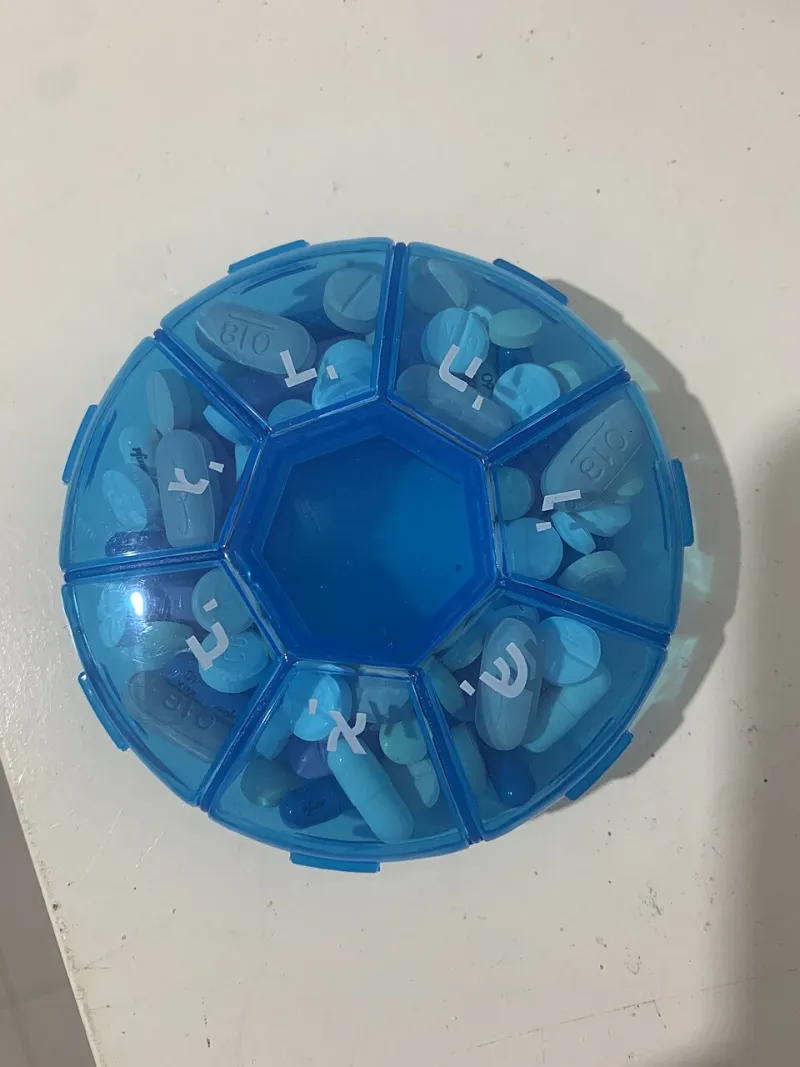
Photo: Yourusernamewillbepublic2, CC0, via Wikimedia Commons
For a US patient with a prescription in hand—or a lingering cough and a search engine—the online pharmacy landscape can look deceptively simple. There are polished websites, low prices, fast-shipping promises, and customer reviews. There are also unlicensed sellers, counterfeit products, and storefronts that treat prescription antibiotics like ordinary consumer goods. Azithromycin is not an ordinary consumer good. It is a prescription medicine with real benefits, real risks, and a legal pathway for dispensing in the United States.
At ZithromaxAll, our editorial mission includes helping patients understand antibiotic information without encouraging unsafe self-treatment. That means being direct about the online antibiotic trap: convenience is not the same as legitimacy, and a professional-looking website is not proof of a licensed pharmacy.
Why Azithromycin Is Not a Self-Service Purchase
Azithromycin is a prescription-only antibiotic in the United States. That status exists for a reason. The drug can interact with other medicines, affect heart rhythm in susceptible patients, cause gastrointestinal side effects, and contribute to resistance when used unnecessarily. It also requires a diagnosis or a clear preventive indication. A website questionnaire alone is not a substitute for an appropriate clinical evaluation, especially when the complaint is a cough that could have several causes.
Legitimate online pharmacies can be convenient, but they operate within a regulated framework. They require a valid prescription from a licensed prescriber, they have a licensed pharmacist available for consultation, and they comply with state and federal requirements. Sellers that bypass those safeguards are not offering a shortcut to good care. They are asking patients to carry the risk.
Red Flag One: No Prescription Required
The clearest warning sign is a seller that offers azithromycin without requiring a prescription. Claims such as no prescription needed, skip the doctor, or order antibiotics directly are not legitimate consumer conveniences. They are signs of an unregulated seller. Even if the site asks you to complete a health questionnaire, that is not the same as a prescription from a licensed clinician who is accountable for your care.
A related red flag is a seller that promises to provide a prescription after a brief online chat with no verification, no medical record review, and no opportunity for follow-up. Be cautious of any process that treats a prescription antibiotic like a subscription add-on.
Red Flags in Storefront Design and Language
Unregulated sellers often use language and design choices that should prompt a pause:
- Prices that are dramatically lower than local pharmacies with no credible explanation.
- Pressure tactics such as countdown timers, limited-time stock alerts, or urgent pop-ups.
- No physical US address, no telephone number, and no named pharmacist.
- Poorly written product pages with inconsistent drug names, dosages, or labeling.
- Claims that the product is generic azithromycin but images or packaging look inconsistent.
- Requests for payment by wire transfer, cryptocurrency, or gift card.
- No privacy policy, no secure checkout information, or vague data-handling statements.
- Reviews that sound generic or appear only on the seller's own site.
- Social media ads that direct users to direct-message ordering rather than a licensed pharmacy process.
None of these red flags proves fraud by itself. Together, they should make a patient slow down. The burden of proof is on the seller, not on the patient.
The Verification Checklist
Before entering payment details or taking any medicine from an online seller, use this checklist:
- Confirm that the seller requires a valid prescription from a licensed US prescriber.
- Look for pharmacy licensure information and verify it with the relevant state board of pharmacy.
- Check whether the site participates in a recognized verification program for online pharmacies, such as NABP VIPPS or a .pharmacy domain tied to a verified pharmacy.
- Confirm that a licensed pharmacist is available by phone or secure message.
- Look for a physical US business address and a working customer service number.
- Read the privacy policy and confirm that payment pages are secure.
- Check that the product label, strength, and quantity match the prescription.
- Avoid sellers that diagnose and prescribe through a questionnaire alone.
- Be wary of any site that discourages contacting your own clinician.
- If something feels inconsistent, leave the site and call a local pharmacy instead.
Verification is not about being paranoid. It is about recognizing that an online pharmacy is handling a prescription medicine, personal health information, and payment data at the same time.
Payment and Data Precautions
A secure checkout icon is reassuring, but it is not a full legitimacy check. Patients should avoid giving a Social Security number, a copy of a driver's license, or unrelated medical records to a seller that has not been verified. Credit cards generally offer stronger dispute protections than wire transfers, cryptocurrency, or gift cards. If a seller insists on an untraceable payment method, treat that as a serious warning sign.
What Counterfeit or Mishandled Azithromycin Can Do
Counterfeit medicines may contain no active ingredient, the wrong dose, or dangerous contaminants. Mishandled medicines may have degraded because of improper storage or shipping. For a patient, the consequences can include treatment failure, unexpected side effects, allergic reactions, and delayed care for a serious infection. There is also a public health cost: poor-quality antibiotics can contribute to resistance and make future infections harder to treat.
If Something Goes Wrong
If you suspect that an online seller has sold you a counterfeit, unapproved, or improperly labeled medicine, stop taking it and contact a clinician or pharmacist. Report the seller to the US Food and Drug Administration through MedWatch and to the Federal Trade Commission. You can also contact your state board of pharmacy. Keep the packaging, order confirmation, and payment records.
The Bottom Line
Online convenience is not worth an unverified pill. Azithromycin should come from a legitimate pharmacy operating under a valid prescription, with a licensed pharmacist available and clear labeling. If a seller skips the prescription, hides its identity, pressures you to buy, or asks for untraceable payment, close the tab. A trustworthy pharmacy may not be the flashiest site in the search results, but it will be accountable for what it dispenses.