Storing Antibiotics Correctly: What Every American Household Needs to Know About Potency, Expiration, and Safety
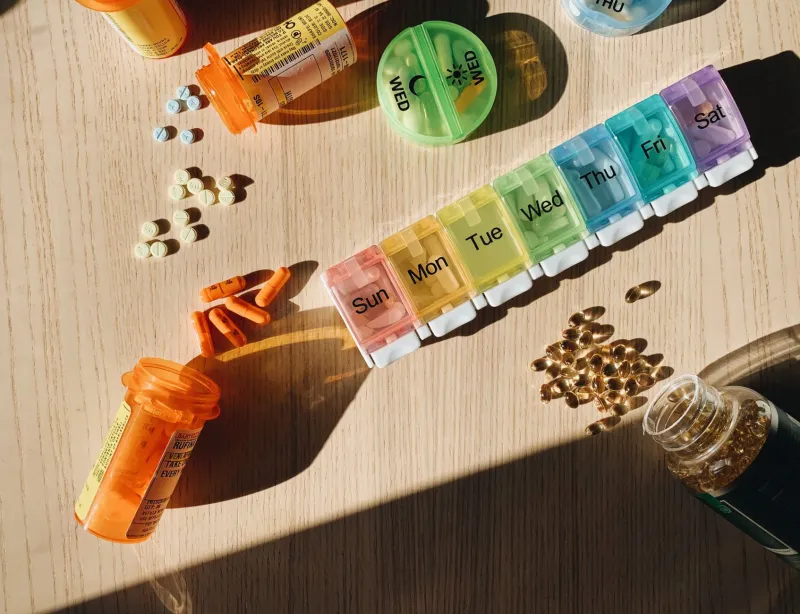
The medicine cabinet in the average American bathroom is, from a pharmaceutical standpoint, one of the worst possible places to store medications. Despite its name and its near-universal presence in domestic bathrooms across the country, the traditional medicine cabinet sits in an environment characterized by fluctuating humidity, temperature swings, and intermittent light exposure — three of the most destructive forces acting on drug stability.
For antibiotics specifically, these environmental factors carry real consequences. A degraded antibiotic may not only fail to treat an infection effectively — in rare but documented cases, breakdown products of certain drug classes have been associated with adverse effects. Understanding how to store your medications properly is not a minor housekeeping matter. It is a meaningful component of safe and effective antibiotic use.
Why Storage Conditions Matter More Than Most Patients Realize
Pharmaceutical stability is determined during the drug development process under controlled laboratory conditions. When a manufacturer prints an expiration date on a prescription bottle, that date reflects the period during which the drug is expected to retain at least 90 percent of its labeled potency — assuming the medication has been stored under the recommended conditions printed on the label or package insert.
The critical phrase is assuming recommended storage conditions. A bottle of azithromycin tablets stored at 77°F in a dry, dark location will behave very differently from the same medication stored above a stove, in a car's glove compartment during a Texas summer, or in a humid bathroom where daily showers routinely push moisture levels well above comfortable thresholds.
Most oral antibiotic tablets and capsules — including azithromycin — carry a standard storage recommendation of controlled room temperature, generally defined as 68°F to 77°F (20°C to 25°C), with brief excursions permitted to 59°F–86°F (15°C–30°C). Liquid antibiotic suspensions, which are commonly dispensed for pediatric patients, typically require refrigeration after reconstitution and carry a much shorter usable window — often just 10 to 14 days.
The Humidity Problem: Why Your Bathroom Cabinet Falls Short
Humidity accelerates hydrolysis — a chemical reaction in which water molecules break down drug compounds. For many antibiotic formulations, moisture infiltration can significantly reduce potency over time, even when the medication appears visually unchanged.
The solution is straightforward but requires breaking a deeply ingrained habit: move your medications out of the bathroom. Ideal storage locations in most American homes include a bedroom dresser drawer, a dedicated shelf in a bedroom closet, or a kitchen cabinet that is positioned away from the stove, dishwasher, and sink. These locations tend to maintain more stable temperature and humidity levels throughout the day.
If you choose to store medications in the kitchen, be deliberate about which cabinet you select. Cabinets adjacent to appliances that generate heat or steam are poor choices. A high cabinet on an exterior wall — away from cooking surfaces — is considerably more stable.
Temperature Extremes and Their Effects
Heat is among the most reliable accelerants of pharmaceutical degradation. Leaving antibiotics in a car during summer months — when interior vehicle temperatures can exceed 130°F in many parts of the United States — can compromise a medication's integrity within hours, not months. Similarly, storing antibiotics near a heating vent, on a sunny windowsill, or in a gym bag that spends time in a hot car represents a meaningful risk to drug stability.
Cold temperatures present a separate set of concerns. While refrigeration is appropriate and often required for liquid antibiotic suspensions, freezing most oral solid antibiotic formulations is not recommended and can damage tablet coatings or alter drug release profiles. If a medication has accidentally been frozen, consult your pharmacist before using it.
Decoding Expiration Dates: What They Do — and Don't — Tell You
The expiration date printed on a prescription bottle is a manufacturer's guarantee of potency under ideal storage conditions. It is not an absolute threshold at which a drug instantly becomes inert or dangerous.
The U.S. Shelf Life Extension Program (SLEP), operated by the Department of Defense in collaboration with the FDA, has tested stockpiled medications for decades and found that many drugs retain acceptable potency well beyond their labeled expiration dates when stored properly. However, this research was conducted under carefully controlled conditions that most home environments cannot replicate.
For practical purposes, the guidance from the FDA and most clinical pharmacists is consistent: do not use medications past their expiration date. The uncertainty surrounding potency after expiration — particularly in medications that have experienced suboptimal storage — is not a risk worth taking when treatment of a bacterial infection is at stake. An antibiotic that has lost even 20 percent of its potency may be insufficient to achieve therapeutic drug concentrations, potentially contributing to treatment failure.
Recognizing Signs of Degradation
In some cases, compromised antibiotics exhibit visible changes. Tablets or capsules that have become discolored, crumbled, or sticky may have undergone physical or chemical degradation. Liquid suspensions that have separated unusually, changed color, or developed an off odor should not be used regardless of their expiration date.
That said, many forms of drug degradation are invisible to the naked eye. The absence of visible changes does not confirm that a medication remains fully potent. When in doubt, consult your pharmacist — most are happy to evaluate a medication's storage history and advise on whether it should be replaced.
Safe Disposal: Protecting Your Household and Your Community
Discarding unused or expired antibiotics appropriately is as important as storing active medications correctly. The FDA recommends drug take-back programs as the preferred disposal method. The DEA's National Prescription Drug Take Back Day, held twice annually, provides convenient drop-off locations across the country, and many retail pharmacies maintain year-round take-back kiosks.
If take-back options are unavailable, the FDA's guidance for most antibiotics is to mix the medication with an undesirable substance — used coffee grounds or kitty litter are commonly cited examples — seal it in a bag, and dispose of it in household trash. Flushing antibiotics down the toilet is generally discouraged due to environmental contamination concerns, unless the medication's label specifically identifies it as safe for flushing.
Proper storage and disposal are not bureaucratic formalities. They are practical habits that protect both the effectiveness of your medications and the broader public health environment in which all of us live.